Accessibility for Survivors with Disabilities
|

Accessibility for Survivors with Disabilities

Approximately 15% of the global population has a disability.1 Victim-survivors of sexual violence living with disabilities, invisible and/or visible, often face unique barriers through societal biases, systemic barriers, and a lack of accessible resources.  The Marginalization of Disabled Survivors Victim-survivors living with disabilities face disproportionately high rates of sexual violence.2 People with disabilities (PWD) are…


Sexual Violence as a Form of Homophobia

Sexual Violence as a Form of Homophobia

Sexual violence is a human rights violation that can impact individuals across all gender identities, ages, and sexual orientations. When such violence is directed at individuals based on their sexual orientation, it becomes a tool of homophobia.1 Homophobia refers to an irrational fear, hatred, or prejudice against individuals who identify as or are perceived to…

Supporters and Loved Ones of Sexual Assault Survivors

Supporters and Loved Ones of Sexual Assault Survivors

Everyone knows a survivor, whether or not they are aware of it. Research demonstrates that at least 54% of women, 44% of men, and 47% of transgender/gender non-conforming individuals have experienced contact sexual violence in their lifetime.1,2 Survivors of sexual assault are more likely to informally disclose to a loved one than file a formal…

Sexual Violence in Amish Communities

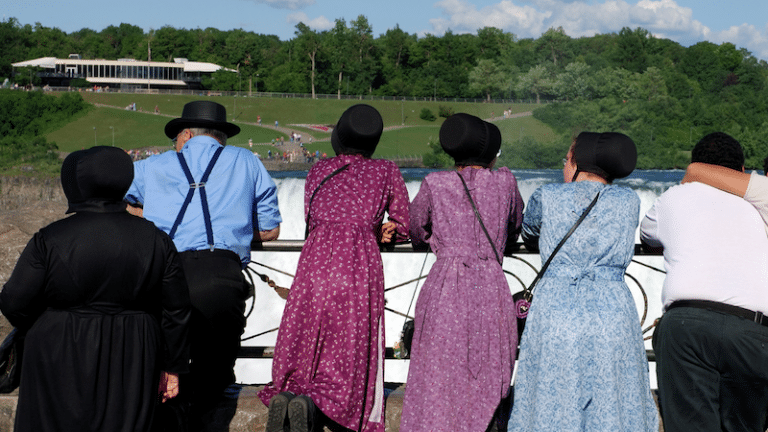
Sexual Violence in Amish Communities

The Amish are a group of traditionalist Anabaptist Christian church fellowships who believe that a simple life characterized by discipline, dedication, and humility is God’s vision, and honoring this lifestyle is seen as a religious practice.1-3 They exist in tight-knit communities and make most of their living through farming and other pre-industrial methods. The Amish…

Why Don’t Survivors Report?

Why Don’t Survivors Report?

After surviving sexual violence, victim-survivors often feel pressured by others, or even by themselves, to file a report to the police. Survivors are often victim-blamed and not believed when they choose not to report. Sometimes, others even try to suggest that the survivor is responsible if the perpetrator continues to harm others, and survivors may…