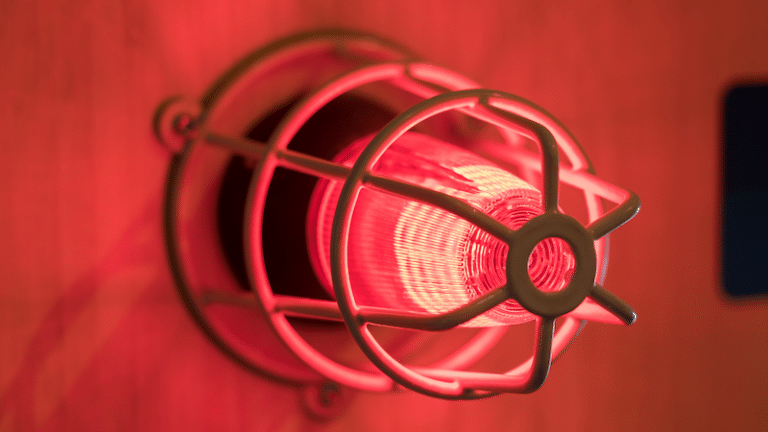
Hyperarousal and Hypervigilance
|

Hyperarousal and Hypervigilance

In the aftermath of sexual violence and assault, the emotional and psychological impact can feel overwhelming. Survivors often face a complex mix of feelings and reactions that may be out of character. Reactions such as hyperarousal and hypervigilance are common experiences and are symptoms of post traumatic stress disorder. 1-3 This contributes to misconceptions and…


Systemic Racism: A Barrier for Survivor Support
| | | |

Systemic Racism: A Barrier for Survivor Support

Sexual violence is a pervasive issue that affects individuals across all demographics; however, systemic racism creates unique and significant barriers for marginalized communities seeking support. This article explores the intersection of systemic racism and sexual violence, highlighting the challenges faced by victim-survivors of color and the structural inequalities that exacerbate their situation. Understanding Systemic Racism…

Navigating Holiday Loneliness

Navigating Holiday Loneliness

As the holiday season unfolds with its twinkling lights and festive cheer, many people anticipate a time of togetherness and joy. However, for a significant portion of the population, the holidays can be marked by profound feelings of loneliness and emotional distress. In this blog post, we will delve into the complex issue of loneliness…

How Do Emotional Support Animals Help survivors?
|

How Do Emotional Support Animals Help survivors?

Did you know that animals can be a vital asset in a survivor’s journey to recovery? Emotional Support Animals (ESA) are animals that are designated to provide support, comfort and relieve symptoms of those who have experienced trauma or mental health issues. For survivors, ESA can make a tremendous difference in overall wellbeing and quality…

Do I Need To Forgive In Order To Heal?
|

Do I Need To Forgive In Order To Heal?

The concept of forgiveness can be activating and retraumatizing for some survivors. Nearly three out of four sexual assaults are committed by someone the survivor knows.1 When the perpetrator is someone the survivor knows, it is likely that they also know other people in their life. Unfortunately, survivors are sometimes put in the difficult position…

What Is Self-Care?
|

What Is Self-Care?

Self-care is the act of taking steps to improve, preserve, and maintain one’s well being. Humans require connection, security, nourishment, stimulation, and rest. Self-care allows people to fulfill those needs by creating routines that build a compassionate and caring relationship with oneself. This can look different for everyone.  Many different activities and choices are acts…

Gender Roles and Healing as a Male Survivor
|

Gender Roles and Healing as a Male Survivor

Male survivors share how the gender roles enforced upon them have influenced and shaped their healing process. The following answers are excerpts from our Male Survivors Panel. Antuan Raimone “Growing up, and once I was in college, or, middle of high school, [I began] understanding that I was attracted to other men. I was trying…

Suicide Myths Around The Holidays

Suicide Myths Around The Holidays

Suicide is a topic shrouded in stigma and misconceptions, and the holiday season seems to magnify the confusion. In this blog post, we’ll delve into the myths surrounding suicide, highlight the stigma associated with the word “suicide,” and address the language barriers associated with discussing this sensitive topic, particularly during the holidays. Myths Surrounding Suicide…

How Does EMDR Work?

How Does EMDR Work?

Eye Movement Desensitization and Reprocessing (EMDR) is a psychotherapeutic technique developed by Francine Shapiro in the late 1980s. Initially designed for treating post-traumatic stress disorder (PTSD), EMDR has gained recognition and popularity for its efficacy in addressing various psychological issues.1 This article will explore the scientific underpinnings of EMDR therapy, its mechanisms of action, and…